Jul 2020–Nov 2020
Inventory Specialist
Pier 115 Bar and Grill
Managed inventory and operational tracking, built a custom inventory tool, and supported social media advertising and online visibility.
Joshua Valle
My work spans AI implementation, workflow automation, and full-stack development, from mapping the problem and defining requirements through testing, rollout, and support
Move the pointer · click empty space for a pulse
2019–2026
Six roles across technical support, data, development, and AI delivery.
Arcadia University
Aug 2019–May 2023
Supported campus and community-based work-study responsibilities while completing a computer science degree.
Work included
What I did
Hasbro
Dec 2021–May 2022
Supported modular 3D modeling in a production-style student program using Blender and CAD workflows.
Work included
What I did
Tapestry
Mar 2024–Aug 2024
Supported data management, reporting, and operational documentation by maintaining structured records, correspondence, and business data used across internal workflows.
Work included
What I did
DeepShot AI
Aug 2024–May 2026
Supported machine-learning development through model-training workflows, edge-case testing, dataset validation, preprocessing improvements, and AI feature evaluation.
Work included
What I did
Business Solutions Agency
Oct 2024–Present
Co-founded and led development for a digital solutions agency delivering websites, custom software, workflow automation, and operational systems for small-business clients.
Work included
What I did
AJAIA
Apr 2026–Present
Supported AI implementation, product rollout, and workflow automation across client-facing and internal projects.
Work included
What I did
Roles, dates, and organizations at a glance.
Jul 2020–Nov 2020
Pier 115 Bar and Grill
Managed inventory and operational tracking, built a custom inventory tool, and supported social media advertising and online visibility.
Jul 2016–Mar 2019
Genesis ATM
Supported ATM-related technical operations and transaction workflows, built an automated fund-tracking program, and assisted with product sales and issue resolution.
May 2015–Feb 2016
Yankee Pizzeria Inc.
Supported online ordering, basic order-management tooling, social media advertising, and customer-facing digital activity.
I help move implementation work from an unclear operational problem to a tested release, keeping requirements, owners, blockers, and evidence clear along the way.
I trace who is involved, which systems are already in the path, where the handoff breaks, and which constraints cannot be ignored. The goal is a problem statement narrow enough to act on.
I turn the problem into explicit requirements, acceptance conditions, dependencies, and owners. That gives the build team a shared definition of done and gives stakeholders something concrete to review.
I maintain the working source of truth while implementation moves: what changed, what is blocked, which dependency matters next, and whether the latest build still matches the agreed requirement.
I test the visible workflow alongside access, onboarding, failure states, support readiness, and the fallback path. Gaps remain open until there is direct evidence they are resolved.
I prepare the release, onboarding, support, and feedback material around the product so the people taking over know what is live, how to use it, where to report a problem, and who owns what follows.
This view follows the step selected above
Through Business Solutions Agency, I build websites and connected workflows for small businesses, joining the customer-facing experience to the operational steps behind it.
How I approach the work
Trace the existing path, the owner at each handoff, and the friction worth solving.
Use the smallest dependable mix of native tools, APIs, webhooks, and custom code.
Check validation, notifications, failure states, ownership, and what happens next.
Document the workflow, watch the first real use, and improve what the evidence shows.
What I handled
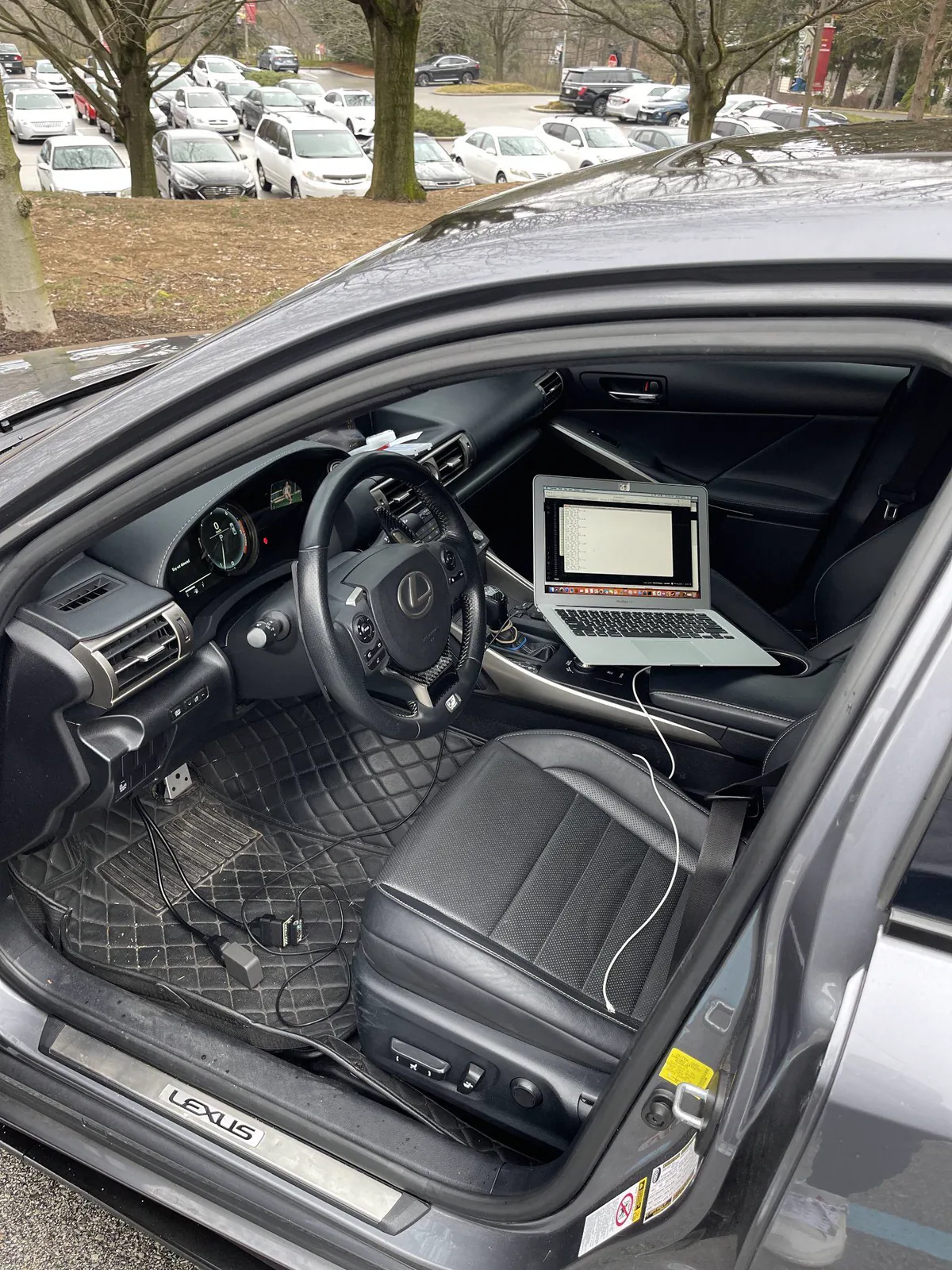
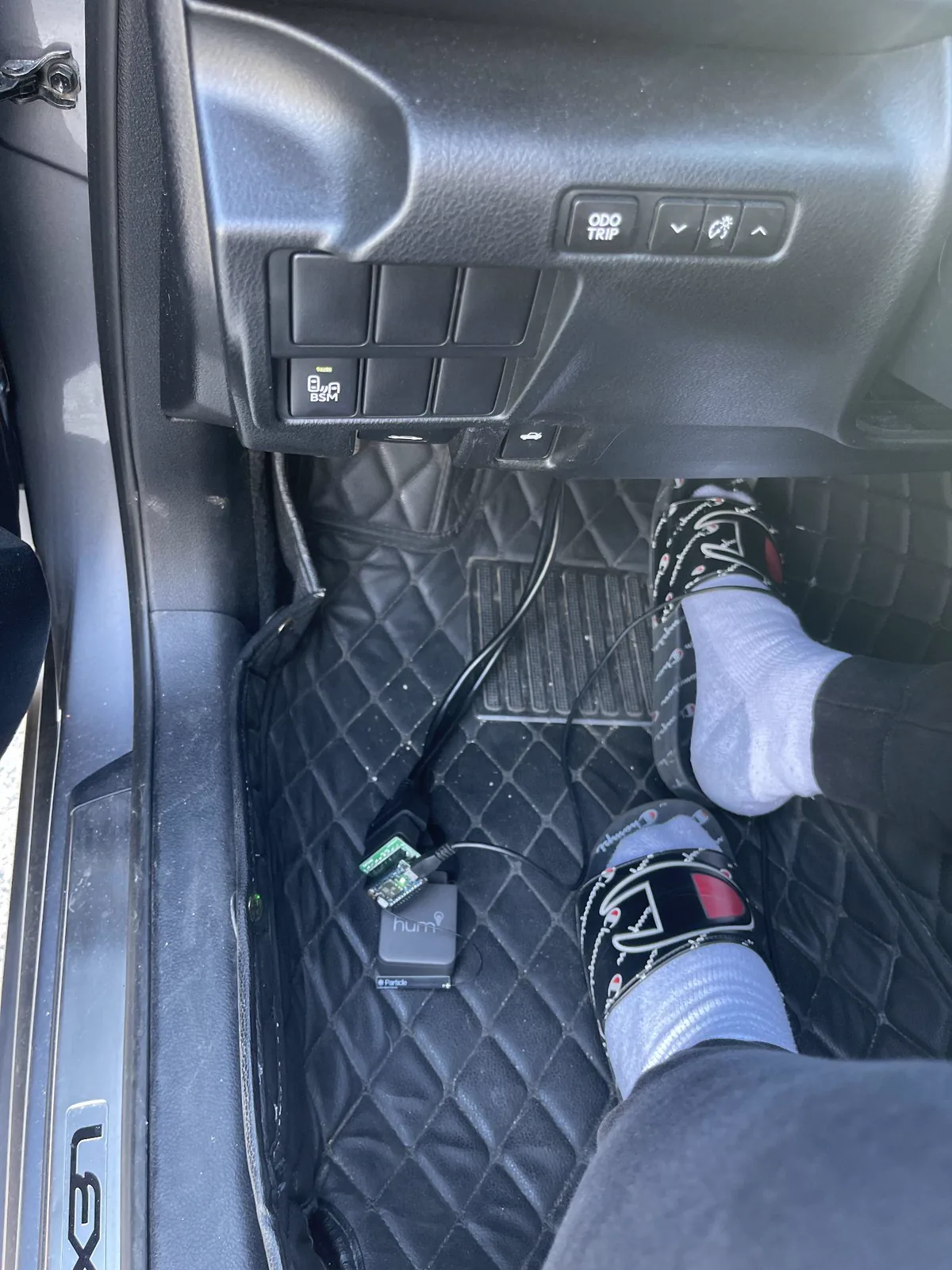
The real laptop, cabling, and OBD hardware used inside the Lexus
Swipe to see all views
What I handled
Two Python studies focused on face similarity and image-to-text extraction, including preprocessing, model integration, validation, and failure handling.
What I handled
Interfaces and integrations built around the workflow they need to support.
Used inClient systems, workflow automation, and this portfolio
Data handling and computer-vision studies with attention to inputs and failure cases.
Used inComputer-vision studies, automation, and ML-product contribution
Code and tooling that cross the boundary between software and physical systems.
Used inVehicle telemetry capstone and Hasbro internship
The work between a technical idea and a usable release.
Used inProfessional AI implementation, client delivery, and technical support
Education and certifications
Arcadia University
Completed 2023
Anthropic
Issued Jun 2026 · Expires Dec 2026
Anthropic
Issued Apr 2026
Anthropic
Issued Apr 2026
Contact
Email me about a role or project.